Author: kirstynskelley (Page 1 of 2)

About Me!

Hello! My name is Kirstyn Skelley and I am the person behind this research project.

I am passionate about education, art, history, learning, and teaching. I was planning on graduating with my Bachelor of Arts with a History major this spring, but as I received my rejection letter for the 2021 PDP (teachers) program, I have decided to continue education by working towards obtaining a Visual Arts minor.

My ambitions for life is to teach teenagers for as long as I can! I am passionate about influencing the lives of teenagers and helping them grow into the best versions of themselves. I eagerly look forward to becoming a high school teacher–teaching history or art. My philosophy that I live by is to never stop learning.

This project was a lot of fun for me as it was a mix of creativity and history–two of my favorite things.

I hope you enjoy this creative project and the passion that went into it!

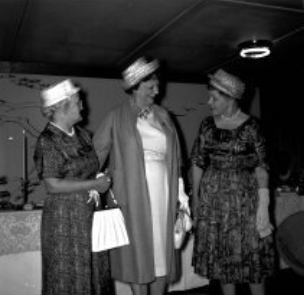
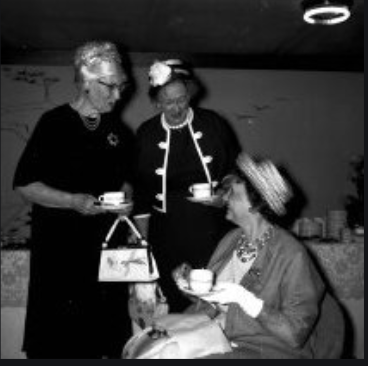
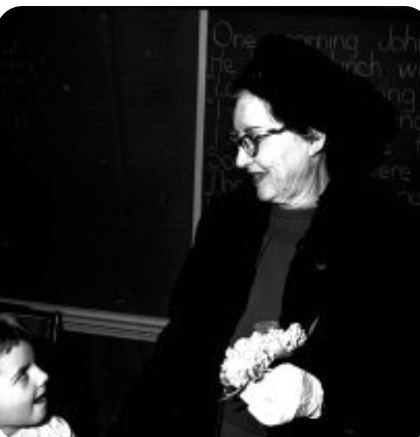
Margaret Stenersen

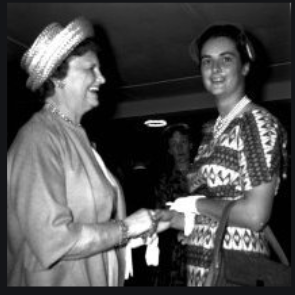
Margaret on the left.

Miss Stenersen was born in Tonsberg, Norway and moved with her mother and siblings to Matsqui in 1904 to reunite with her father who had been mining in the Yukon and Alaska. She attended elementary school in Ridgedale—just outside the Matsqui Prairie—wrote her departmental exams in Abbotsford and attended high school in Matsqui. She studied education at Vancouver Normal School and landed her first job as the only teacher at North Popular in 1919. Four years later, she had transferred and had taken over as the teacher for Ridgedale School.  In 1925 she became the vice-principal at Abbotsford Public School, a school that consisted of seven elementary classes and two high school classes. She then, became the acting principal from 1929-1951. From 1951-1962 she transferred locations and became the principal of Alexander Elementary school. Miss Stenersen retired in 1962 and moved to Vancouver to care for her parents. During her retirement ceremony, she was awarded an honorary associate life membership to the British Columbia Teachers Federation.

Sources Used For This Page:
The Reach Archives- P14292, P14293, and P12484.

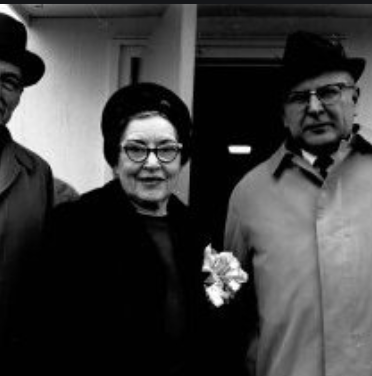
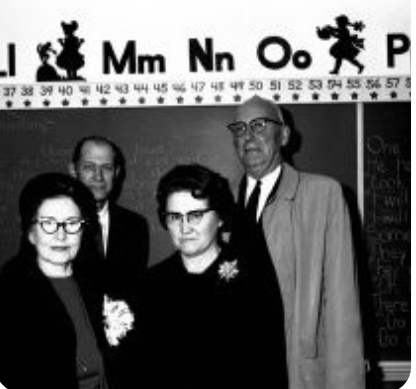
Mary Ten Broeck

Mary Ten Broeck had worked in the Abbotsford District from 1949 to 1967. She had spent her last teaching year at Upper Sumas School before retiring and moving to North Vancouver. While she worked in the school district, she had positions as a remedial teacher, a reading consultant, as a primary consultant, and had worked on the development of the primary program. For her dedication to the school district, she was honored an elementary school on Clearbrook Road in Abbotsford to be named after her. The school was bought through a partnership with the Clearbrook Board of Trade, the Matsqui Municipal Council, and the School Board. The school was used both as a school and as a community center—the grounds being used as both a park and as a playground for students.

Sources Used For This Page:
The Reach Archives- P21531, P21532, and P21533.

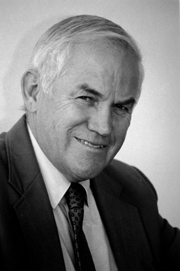
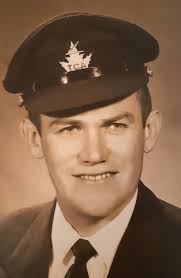
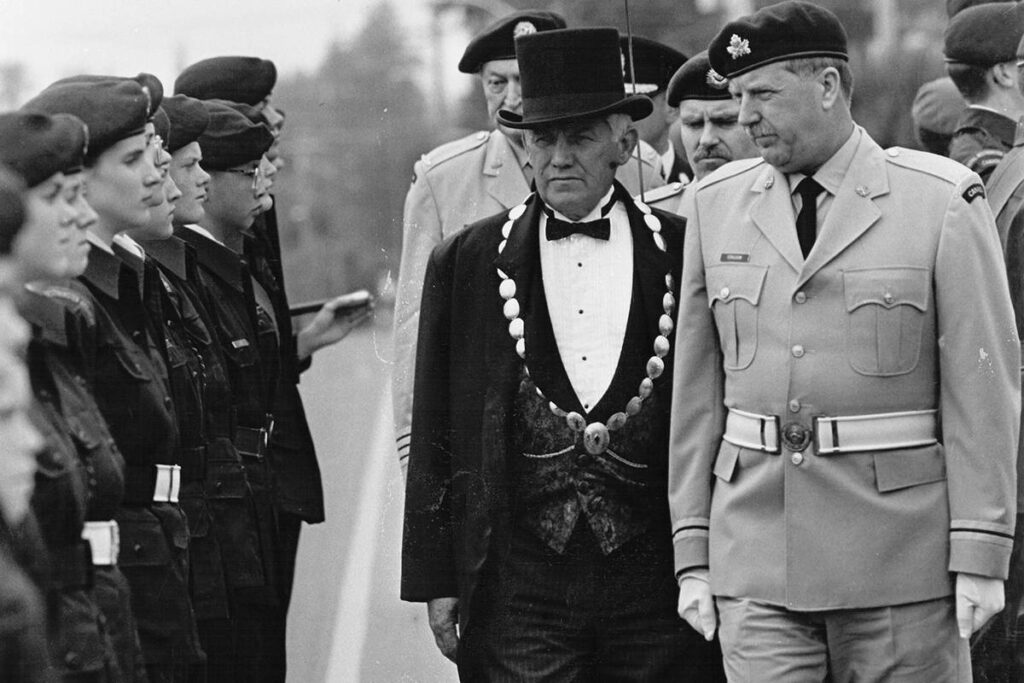
Dave Kandal

Born on March 18, 1930 in Saskatchewan, Dave moved to the village of Matsqui with his sisters and parents in 1945. Dave began his career teaching basketball, P.E., and Social Studies at his former high school, Phillip Sheffield, and at Abbotsford Senior from 1954-1956. Dave had been elected as a school trustee in 1971—Dave was also a pilot in between his teacher career—his son Mark shared “Dave felt it was an obligation to serve, and my dad chose to serve the community”. After serving seven years as a school trustee, eight as a councilor, he then served as Abbotsford’s mayor for seven years. Dave was known for being one of the founding fathers of modern Abbotsford, playing an instrumental role in the amalgamation of Matsqui and Abbotsford in 1994. Dave passed away in August 2020 at the age of 90.

Sources Used For This Page:
Abbotsfordcf.org, an interview by Christine Wiebe with Dave Kandal, and photos by The Reach Abbotsford: P10130, and Abbotsford News Article- 2020.

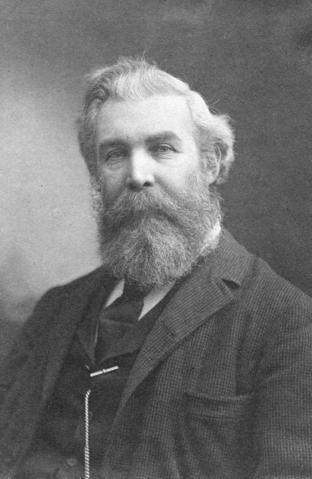
John Maclure

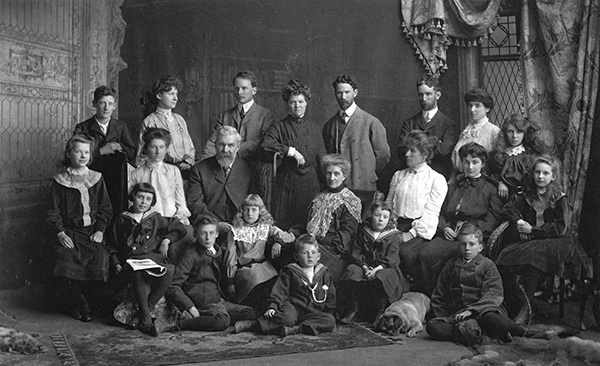
The first “white settler” of B.C., the founder of Abbotsford. John Maclure was born in Wigtownshire, Scotland in 1831. John arrived in B.C.  in 1868—the British Government wanted young men to travel to B.C. to take part in the development of the area. John was a surveyor with the Royal Engineers Corp, aiding in planning the town sites of Fort Langley and New Westminster. In 1868, he oversaw Matsqui and settled on the Matsqui Prairie on a 640-acre farmland with his wife Martha and his five children. John’s second son Charles—notably being named the first “white born” in New Westminster in 1869, and his first born, Samuel, the first “white born” in Vancouver in 1862—had been responsible for the building of Clayburn Company and organized the Kilgard Fire Clay Company of Sumas. Since Charles had owned all the land which Abbotsford was built upon, the creation of naming Abbotsford came from his friend, Henry Abbot. John Maclure passed in November 1907.

John Cunningham Maclure and his family on his and wife Martha’s 50th wedding anniversary in 1904

Sources Used For This Page:
The Abbotsford News- The Reach Archives: 2017 article.

The Connections with Historical Canadian Figures

There were two areas that peaked my interest when researching this project; finding out how the school board was able to use well-known names—local and non-local. It left me questions such as, did they contact the person directly? and how did they decide on which person to honor? Going through the research, I noticed a theme throughout some of the names that left me with more questions; was it intentional? or were they chosen because they were seen as Canada’s role models during that specific period?

When it came to naming schools after the local Abbotsford figures, the school board had easier access to contacting and communicating with the person directly—unless they have already passed, like John Maclure. For an example, the board had approached Dave Kandal in the 1990s to request an elementary school be named in his honor, in recognition of his service to Abbotsford.

I was not able to access the school board minutes prior to 2007, instead, was able to find a more recent board meeting discussion of the process of naming a recent new school on Eagle Mountain in Abbotsford. Although you will read the process of how the three chosen schools had their names chosen, this one example of the naming process provides a glimpse of how the School District had organized themselves into naming previous schools. On March 9, 2021, the Board of Education had appointed four community members in addition to the two Trustees, the school Principal, and the Communications Manager to become the naming committee. For this school, the community members chosen consisted of: an elected councilor for Sumas First Nation, a resident and school parent of Eagle Mountain, a resident of the Eagle Mountain community, and a grade 12 student from the High School in the catchment. The naming of the school is currently in process as this research is being done, but it is intriguing to be able to see how those involved with the surrounding community were chosen to help name a school.

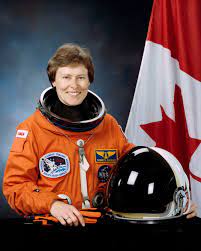
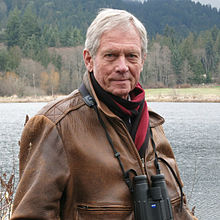
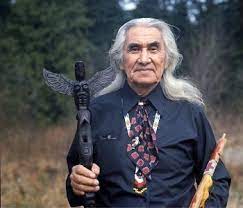
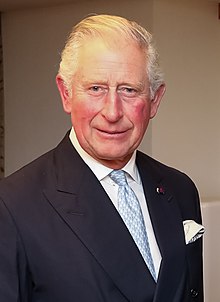
For the non-local Canadian figures, there are a few names that do not quite have a connection with each other, but none the less have made an impact on Canadians. A few examples of Abbotsford schools that have been named after honorary Canadians: Dr. Roberta Bondar, the first female Canadian astronaut and world’s first neurologist in space in 1992; Robert Bateman, a well-known Canadian painter; and Chief Dan George, the chief of the Tsleil-Waututh Nation, author, actor, and musician. As British Columbia’s recognition and acknowledgment to England, Abbotsford interestingly has a school named after Prince Charles.

Connections Between Historical Athletes

One of the major connections that I was able to make was found in four notable schools in Abbotsford. Out of these four, three of them have previously participated on the same sports team. Eugene Reimer, Rick Hansen, and Terry Fox participated in becoming members of the wheelchair basketball team—the Vancouver Cable Cars—in 1972. Having both Reimer and Hansen as athletes who were wheelchair bound and Fox athleticism with a prosthetic leg, these three have made an inspirational impact on both sports history and for Canadians. A connection with the previous three, Gordie Howe was also involved with sports. He was known by the name “Mr.Hockey” and was considered the most complete player to ever play the game and one of the greatest of all time. One of the main connections I was able to make between Terry Fox, Rick Hansen, and Gordie Howe–besides sports–was their connection of creating a foundation. Fox, Hansen, and Howe have created a foundation towards research—Fox with Cancer research, Hansen with Spinal Cord research and Howe with Alzheimer’s research. Interestingly enough, the time span between each of the schools opening sparks curiosity. Terry Fox Elementary opened in 1983, Hansen High School opened 10 years later in 1993, and Gordie Howe Middle opened 8 years later in 2001. Although Eugene Riemer Middle opened in 2002, there is curiosity if the School District will in the upcoming years, honor another Canadian Sports person to a future new school, or even replace one of the older school names, such as John Maclure?

Sources Used For This Page:
abbotsfordcf.org, abbyschools.ca, robertabondar.com, Wikipedia.org photos also taken from site.

Schools Named After Local Abbotsford Figures

Welcome to the page of mini biographies! This page is the introduction that will lead you into exploring how local Abbotsford residents had schools named in their honor.

Although there are many more Abbotsford schools who have been named by local figures, I decided to focus on four. You will find four separate tabs that give a mini biography of each Abbotsford figure. These names include: John Maclure, the first settler and founder of Abbotsford; Dave Kandal, during his career had served as both a teacher and mayor of Abbotsford;  Margaret Stenersen, one of the first teachers and principals of Abbotsford; and Mary Ten Broeck, who had helped in the development of the primary program. 

I hope you enjoy getting to know a few of our past locals!


The Terry Fox School Run

The Marathon of Hope

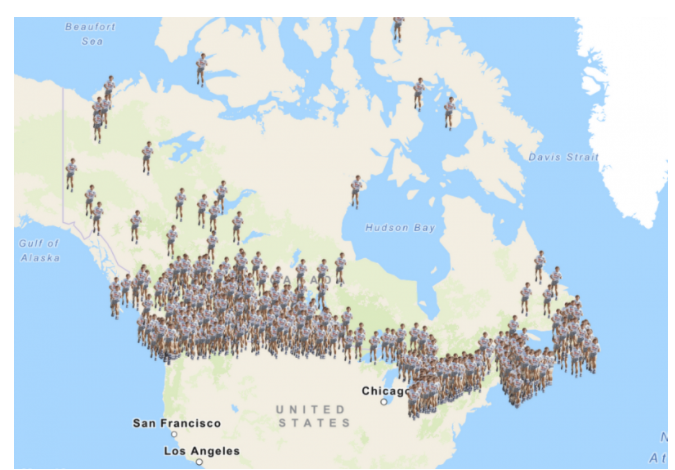
The Marathon of Hope began with Terry Fox on April 12, 1980, in Newfoundland and Labrador with the intentions to complete the journey in Victoria, British Columbia.

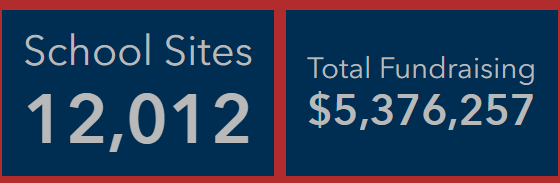
In 2021, the Terry Fox School Run now marks 41 years of participation! Every fall, more than 3.7 million students in over 9,000 schools across Canada participate in school runs to raise funds for cancer research.

FUN FACT!
The Terry Fox run goes beyond the Canadian borders!

Terry Fox not only inspired his fellow Canadians, he also inspired countries around the world to stage annual events in supporting his dream to find cure for cancer.
Nearly all fundraised money outside of Canada stays within the host country. The Terry Fox Foundation approves research institutions to use the fundraised amount to fund research cancer research projects.

Examples of International Terry Fox Runs

  • Hong Kong
  • Vietnam
  • United Arab Emirates
  • Mumbai
  • Brazil
  • New York and Texas

Source Used For This Page:
terryfox.org.

Rick Hansen Demographics

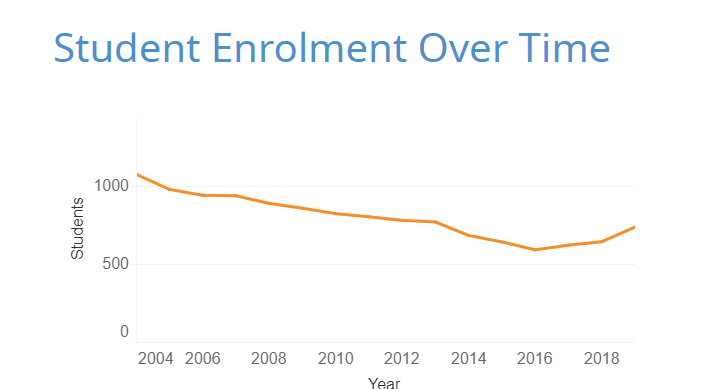
Only having access between 2004-2021, it is interesting to notice the steady decline between 2004 to 2013, then again until 2016. The student enrolment at Hansen in 2004 was at a high 1,076, steadily declining until 2013 with 770 students. The lowest enrolment number Hansen Secondary received was in 2016 with 591 students. In 2015, there was an introduction of the two new programs of becoming a High School of Business and Science. There is a curiosity if the enrolment numbers correlates with the changes of the school. After 2016, with the changes to the school, the numbers began to increase.

The current enrolment numbers in the 2020/21 school season, there is a total of 781 students. For this school year, an additional chart breaks down the percentage of students enrolled at Rick Hansen. It shows that out of the 781 students, 23 are indigenous, 3% of the total school population. Special Needs students make up 11% of the total school population with a total of 86.

Source Used For The Page:
studentsuccess.gov.bc.ca

Colleen and Gordie Howe Demographics and Statistics

When Howe opened its doors in September 2001, there were 596 students enrolled in grades 6-8.

2001 Demographics for the Howe catchment

  • 27% of the school population comes from an Indo-Canadian background
  • 85% of parents hold a high school diploma
  • 13% of parents hold a post-secondary diploma
  • 21% of parents reported that no English is spoken in the home
  • 21% of the school population came from single parent families

2006 Representations

After five years of being a Middle School, they had represented from 24 different Elementary Schools with the enrollment of grade six students.

  • The school welcomed 13 international students from Korea
  • 143 out of the 611 students did not have English as their first language
  • 38 out of 611 were Aboriginal students
Student Enrolment Demographic

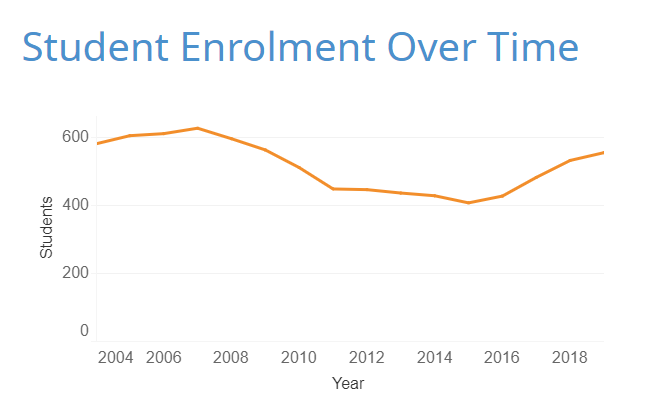
In this enrolment graph, Colleen and Gordie Howe Middle received the highest number in 2007 with 627 students.
Starting in 2011, the school’s enrolment had dipped below the 500 mark with its lowest rate in 2015 with only 407 students.
The enrolment rate had stayed below 500 until 2018 with 532 students.
In the current enrolment rate in 2020/21, the school has a total of 538 students, 79 being Aboriginal.

Sources Used For This Page:
abbyschools.ca, and studentsuccess.gov.bc.ca

« Older posts